Driving A Jet Ski: Beginners Tips
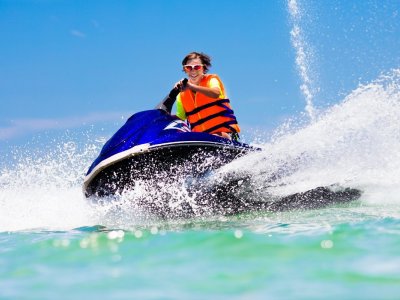
Jet skis are quick, agile and a lot of fun, but that same agility means small mistakes can happen fast. Whether it's your first time on a personal watercraft or you're getting a refresher, these tips will help you build confidence safely.
New jet ski riders should focus on five fundamentals before anything else: wearing a properly fitted life jacket at all times, understanding the throttle and steering before setting off, starting at low speed to build feel for the machine, staying alert to other boats and swimmers, and knowing the local rules for speed limits and no-wake zones. Everything else builds from these basics.
Safety Equipment Comes First
Always wear a properly fitted life jacket or personal flotation device (PFD) when operating a jet ski. It's the single most important piece of safety gear you can wear, and it can save your life in the event of an accident. Before you set off, make sure you know how to operate the emergency shut-off switch (the lanyard cut-off), which stops the engine immediately if you're separated from the ski.
Get Familiar With The Controls Before You Set Off
Take a moment on land or at idle to understand your controls before you're moving at speed. The handlebars control steering, and the throttle controls speed. If you're riding with a passenger or in a group, agree on hand signals before you get on the water so everyone understands how to communicate once engines are running.
Build Balance And Confidence Gradually
Jet skis can be unstable, particularly at high speed or mid-turn. Practise maintaining balance with your knees slightly bent and your weight centred over the ski. Don't try to go fast too soon. Take your first outings slow and easy, get a feel for how the ski responds, and increase your speed gradually as your confidence builds.
Learn To Turn Properly
Turning a jet ski involves leaning into the turn while using the handlebars to steer. Start with gentle, wide turns and progress to sharper turns only once you're comfortable with how the ski responds at different speeds.
Stay Aware Of Your Surroundings And The Weather
Always scan the water ahead for other boaters, swimmers and obstacles rather than focusing only on where you're steering. Check conditions before heading out too. High winds, waves and storms can make a jet ski much harder to control and significantly increase the risk of an accident.
Know And Follow The Rules
Rules and regulations for operating a personal watercraft vary by state and waterway in New Zealand, so check the requirements for the area you'll be riding in. This includes speed limits, no-wake zones and any minimum age or licensing requirements. Respect other boaters and wildlife on the water, keep a safe distance, and avoid areas known for nesting or breeding wildlife.
Jet skiing rewards a bit of patience early on. Get comfortable with the controls, build your speed gradually, and stay alert to conditions and other water users, and you'll be riding with confidence in no time.
Thinking about buying your first jet ski? Browse current listings and read our jet ski buying tips on Boats Online to compare your options.
Frequently Asked Questions
What is the most important safety gear for riding a jet ski?
A properly fitted life jacket or personal flotation device (PFD) is the most important piece of safety equipment, along with understanding how to use the emergency shut-off switch before you set off.
How fast should a beginner go on a jet ski?
Beginners should start slow and easy to get a feel for how the jet ski responds, gradually increasing speed only as balance and confidence improve. There's no need to rush this, since most riders build comfort quickly with a bit of practice.
How do you turn a jet ski correctly?
Turning involves leaning into the turn while steering with the handlebars. It's best to start with gentle, wide turns and build up to sharper turns as you become more comfortable with the ski's handling.
Do I need to know the rules before riding a jet ski?
Yes. Rules covering speed limits, no-wake zones, licensing and minimum age vary by state and location in New Zealand, so check the specific requirements for the area you'll be riding in before you head out.
fun, but it's important to always be safe and responsible on the water.