Buying A Boat: Choosing The Right Boat
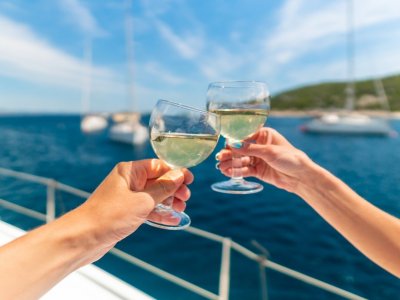
Fishing, water sports, cruising, sailing or entertaining. Whatever draws you to the water, there's a boat built for it, but with so many types, models and sizes available, it's easy to feel overwhelmed. Choosing the right boat comes down to answering five questions in order: what will you primarily use it for, what's your budget, how many people will you typically carry, where will you be boating, and where will you store or moor it. Your answers to these questions will point you toward the right hull type, engine, and size, well before you start comparing individual listings.
What Will You Use The Boat For?
This is the first and most important question to ask yourself. Boats are generally designed around a specific activity, whether that's fishing, skiing, cruising, sailing, entertaining or long-distance travel. Choosing the right boat for your main activity ensures you get the performance, comfort, safety and enjoyment you're actually looking for.
Start by listing your top three intended activities, with your number one priority at the top. You may find a single boat that closely matches everything on your list, or you may need to compromise on one item to get a boat that makes your preferred activities easy and enjoyable.
What's Your Budget?
Your budget will largely determine the type, size and features available to you, so it's worth knowing your limit early. Both new and pre-owned boats can be financed, allowing you to spread the cost through monthly payments. Arranging boat finance approval in advance means you'll know exactly how much you have to spend and can move quickly when the right boat comes along. As with cars, pre-owned boats typically cost less than an equivalent new model, and often come with extra features added by a previous owner over time.
How Many People Will You Carry?
This depends on how many people you expect to take on the water, where you'll be boating, and your budget. Every boat has a maximum carrying capacity that determines how many people can safely be on board, and this should be a major factor in your decision. You'll also want to consider onboard amenities such as cooking, sleeping and bathroom facilities. A bigger boat might be appealing, but make sure you also have the handling skills to captain it confidently.
Where Will You Be Boating?
Consider whether you'll mostly be on a lake, river, estuary, harbour or open ocean. A sailboat well suited to open water can be difficult to navigate down a narrow river, while a small runabout ideal for river or estuary fishing could be unsafe offshore. Boats vary in size, hull design and equipment depending on where they're intended to operate.
Where Will You Store Or Moor The Boat?
If you'll be towing your boat home after each outing, consider the size of the boat for storage and confirm your vehicle is capable of towing the load safely. Alternatively, you could moor it locally or berth it at a marina where you can simply walk on and off. New Zealand's extensive coastline means secure moorings are available at many marinas close to launching facilities.
What Engine Power Do You Need?
Required power depends on your intended use. Water skiers generally want maximum power, while fishing boats and cruisers can often get by with less. Every engine has a minimum and maximum capacity to work within, and engines come in inboard, outboard or jet configurations, running on diesel or petrol. Newer engine technology also offers more fuel-efficient and environmentally friendly options.
What Hull Material Should You Choose?
Where you'll be taking the boat and how you'll store it usually determines the best hull material. Ride characteristics and weight are important considerations too. Hulls can be made from aluminium, fibreglass, steel, timber or ply, composite, ferro, inflatable or plastic, and you may also have a preference between a single hull or a multihull design.
Ready To Start Searching?
Once you've worked through the above, it's time to start searching for your new boat. You can search online right now with Boats Online, and we'd also recommend speaking to a boat broker or dealer, who can show you boats that meet your specific requirements and give you confidence that you're getting sound advice on the boat that's right for you. Choosing the right boat is really a process of matching a vessel to how you actually plan to use it. Work through your activities, budget, crew numbers, cruising area and storage needs, and the right boat will start to narrow itself down.
When you're ready to compare options, search current listings on Boats Online, or speak with one of our listed boat brokers or dealers for tailored advice.
Frequently Asked Questions
What is the most important factor when choosing a boat?
The most important factor is knowing what you'll primarily use the boat for, since boats are generally designed around specific activities like fishing, skiing, cruising or sailing. This single decision guides almost every other choice you'll make.
How do I know what size boat I need?
Boat size depends on how many people you expect to carry, where you'll be boating, and your budget. Every boat has a maximum carrying capacity, and this should be checked against how you actually plan to use the boat.
Is a bigger boat always better?
Not necessarily. While a larger boat may offer more space and amenities, it's important to have the handling skills to captain it confidently, and larger boats also come with higher running, storage and mooring costs.
Should I buy a new or a used boat?
Both new and pre-owned boats can be financed. Pre-owned boats typically cost less than an equivalent new model and may include extra features added over time, while new boats come without wear or prior use to consider.
What hull material is best for a boat?
The best hull material depends on where you'll be using the boat and how it will be stored, along with your preferences around ride characteristics and weight. Common materials include aluminium, fibreglass, steel, timber or ply, composite, and inflatable.