Boating Safety: Check The Weather Forecast
Checking the weather forecast before you leave the marina is one of the simplest things you can do to protect your crew, your boat, and yourself. A few minutes of preparation can be the difference between a great day on the water and a dangerous one.
Before heading out, check: any current marine warnings for your boating area, weather conditions like storms, lightning or reduced visibility, wind speed and direction, wave and swell conditions, and the timing of the next high and low tide. Together, these tell you whether it's safe to head out, and what to expect once you're there.
Are There Current Warnings For Your Boating Area?
Marine warnings announce potential dangers that can affect your planned boating activities. Always check for current warnings covering your specific location before you leave, not just a general regional forecast.
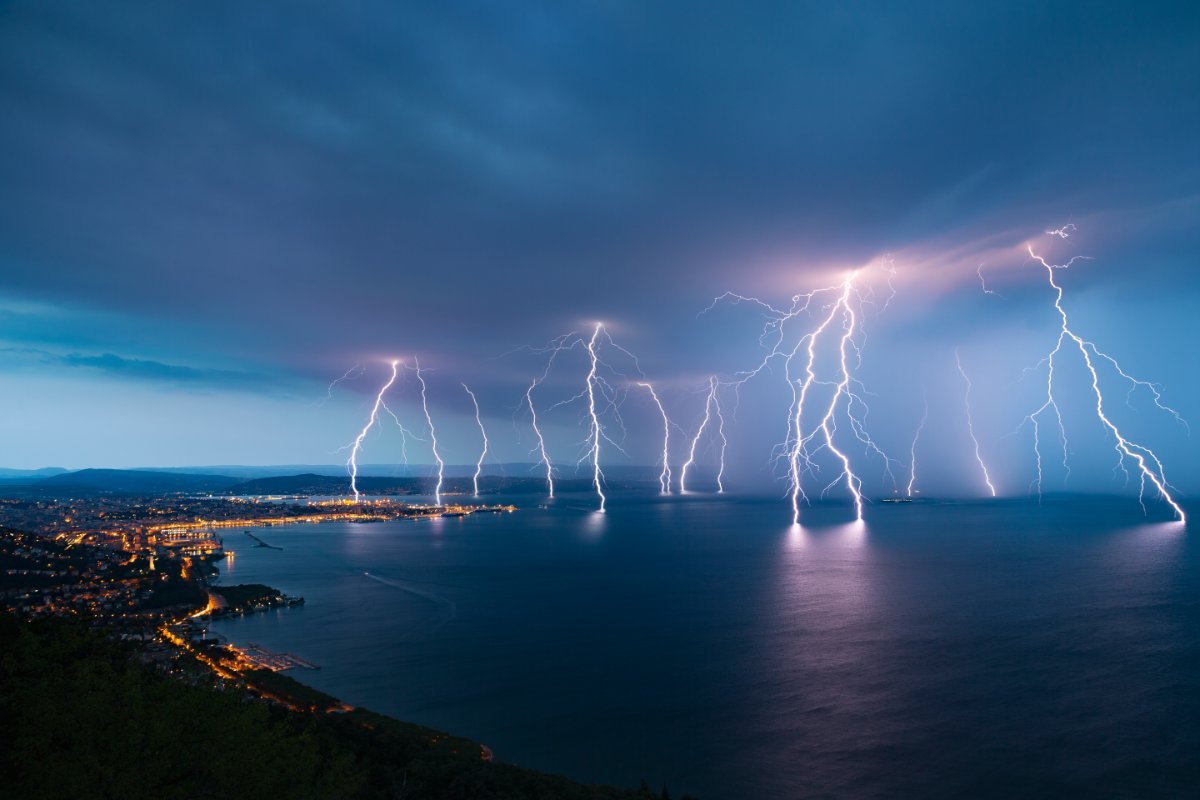
What Weather Conditions Could Affect Navigation?
Check for lightning, thunderstorms and squalls, and be aware of reduced visibility caused by rain or fog. Also check UV levels for the day, so you can Slip, Slop, Slap, Seek and Slide to protect yourself and your crew from sun exposure while you're out on the water.
What Are The Wind Trends?
Wind is responsible for creating waves and swell, so wind speed and direction are a good indicator of the sea conditions you'll encounter. If strong winds are forecast, expect larger and more forceful waves as a result.
What Are The Wave Conditions?
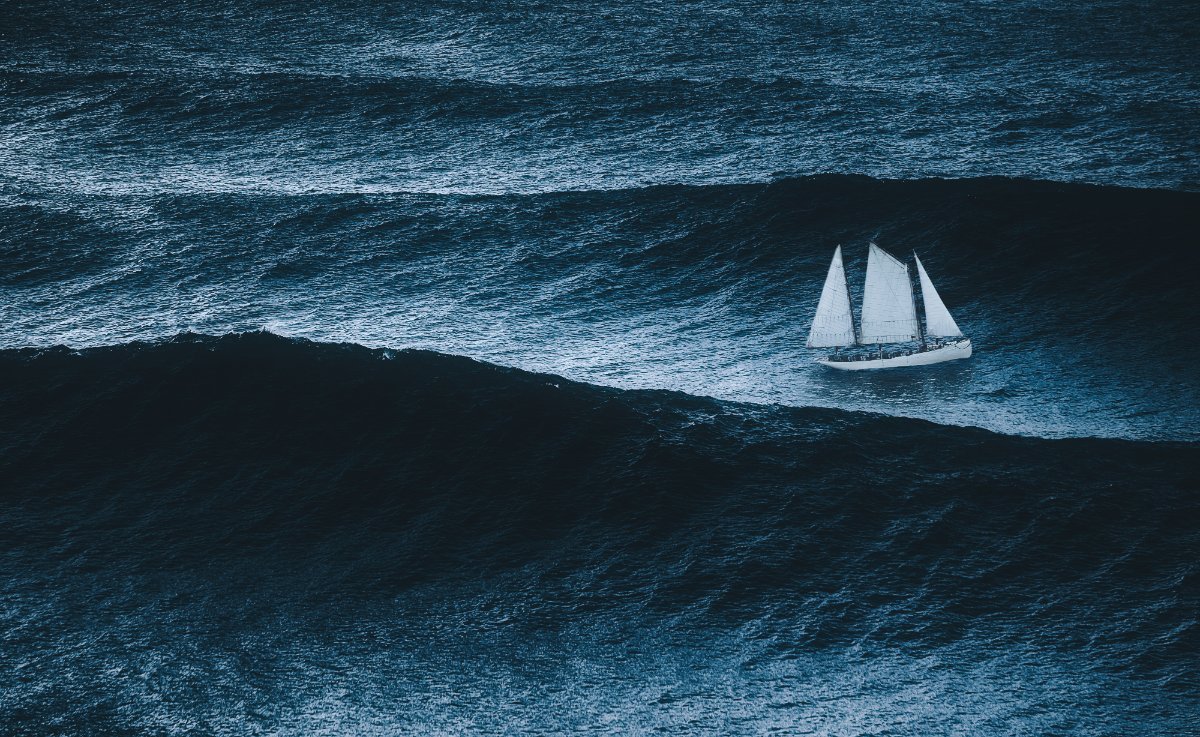
There are generally two types of waves to consider. Swell waves are long and flat but powerful, and become more unsafe near breakwaters. Sea waves are shorter and sharper, but less powerful overall. Understanding which type you're likely to face helps you judge whether conditions suit your boat and your experience level.
When Is The Next High And Low Tide?
Tide timing is crucial information for boats crossing bars and navigating river entrances. A low tide combined with an outgoing tidal flow can cause waves to become steeper than usual, making navigation more difficult. Changing tides throughout the day can also cover rocks and reefs at high tide, then expose them again at low tide, catching out boaters who haven't checked the timing.
Where To Check The Forecast
A number of reliable sources can help you build a complete picture before you head out, including the Bureau of Meteorology's Meteye tool, Predict Wind, SeaBreeze, Windy.com, Fish Ranger, and Marine Weather NZ for New Zealand waters. Cross-checking more than one source is good practice, particularly if conditions look marginal. A proper weather check takes only a few minutes but can completely change how your day on the water unfolds. Make it a habit before every trip, not just the ones that already look uncertain.
Frequently Asked Questions
What should I check before heading out on my boat?
Before heading out, check for current marine warnings, weather conditions such as storms or reduced visibility, wind speed and direction, wave and swell conditions, and the timing of the next high and low tide.
Why does tide timing matter for boating safety?
Tide timing matters most for boats crossing bars and river entrances. A low tide combined with an outgoing tidal flow can make waves steeper and navigation harder, and changing tides can expose or cover rocks and reefs throughout the day.
What's the difference between swell waves and sea waves?
Swell waves are long, flat and powerful, and become dangerous near breakwaters. Sea waves are shorter and sharper but generally less powerful. Knowing which type you'll encounter helps you judge whether conditions are suitable.
Where can I check the marine weather forecast in New Zealand?
The Bureau of Meteorology's Meteye tool is a reliable primary source, and can be cross-checked against sites such as Predict Wind, SeaBreeze, Windy.com and Fish Ranger for a fuller picture of conditions.