How To Raft Your Tender
Rafting your tender, the small boat used for transportation between a larger vessel and shore, comfortably can be important for safety and convenience. Good preparation and attention to detail around location, fenders, lines and load balance will help you get a safe and comfortable rafting result every time. The same habits that make for good berthing apply here: slow down, rig fenders before you need them, and think through each step before you commit to a position.
Tips for Rafting Your Tender Comfortably
Choose a good location: when rafting your tender, choose a spot that provides good shelter from wind, waves and current. It should also be a location that is safe to access, both from the water and from shore.
Use appropriate fenders: make sure your tender has appropriate fenders to prevent damage to both the tender and the larger vessel. Fenders should be placed between the two vessels to prevent them from rubbing against each other.
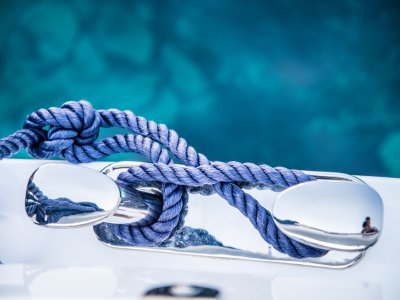
Secure lines correctly: use appropriate lines to secure the tender to the larger vessel. Lines should be long enough to accommodate changes in tide and should be tied securely to both the tender and the larger vessel. The same rope-management principles that apply when you anchor your boat (https://www.boatsonline.co.nz/boating-tips/anchoring-the-very-basics/) also apply here: no slack, no chafe points, and check regularly.
Balance the load: make sure the weight of the tender is evenly distributed to avoid tipping or rocking. If necessary, adjust the position of gear or passengers in the tender to balance the load.
Check lines and fenders regularly: periodically check the lines and fenders to ensure they are secure and in good condition. If necessary, adjust or replace them to prevent damage to the boats.
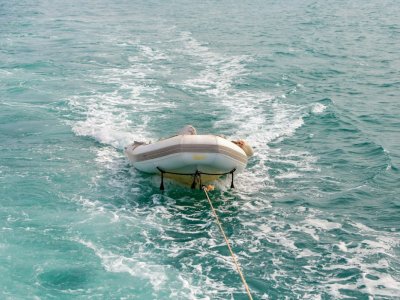
Rafting your tender comfortably requires planning, preparation and attention to detail. By following these tips, you can ensure a safe and convenient rafting experience. See our guide on top tips for safely towing a dinghy for what to do when the tender needs to come along behind the vessel rather than sit alongside.
In the following video, we watch Brendon Grieve from Motoryachts Unlimited as he explains how to raft up a tender alongside another vessel. After forging a career spanning three decades working in the luxury end of recreational boating, Brendon decided to put his experience into his own business hence, Motoryachts Unlimited was established. As a well respected member of the marine industry, during this time Brendon was able to grow a vast network of business partners both locally and internationally.
Frequently Asked Questions
What should I look for in a location to raft my tender?
Choose a spot that provides good shelter from wind, waves and current, and that is also safe to access both from the water and from shore.
Why are fenders important when rafting a tender?
Fenders placed between the tender and the larger vessel prevent the two boats from rubbing against and damaging each other while alongside.
How long should the lines be when rafting a tender?
Lines should be long enough to accommodate changes in tide throughout the time the tender is rafted, and should be tied securely to both the tender and the larger vessel.
Why does load balance matter when rafting a tender?
Evenly distributing the weight in the tender helps avoid tipping or rocking. If needed, adjust the position of gear or passengers to keep the load balanced.